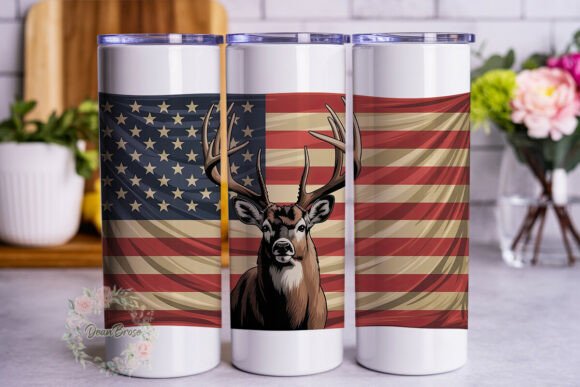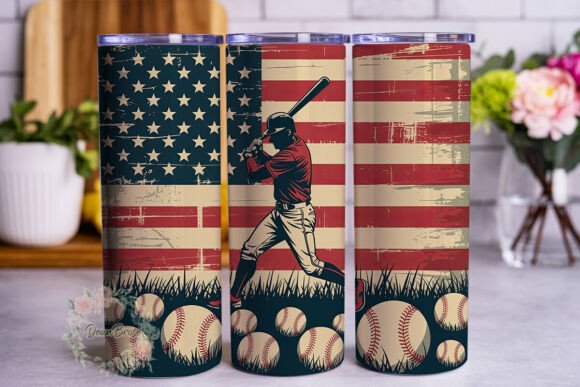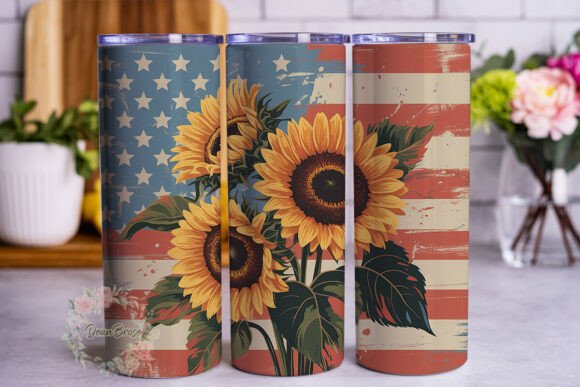
Distressed Flag Sunflower 20oz Tumbler W: A Designer's Real-World Review
As someone who has spent years reviewing embroidery files and testing them on everything from delicate baby onesies to heavy-duty work aprons, I know that the difference between a good design and a great finished product often comes down to practical application. When I first laid eyes on Distressed Flag Sunflower 20oz Tumbler W, my initial reaction wasn't just about the aesthetic; it was about how this specific combination of rugged patriotism and soft botanical charm would translate into physical thread. It is not merely a digital image; it is a potential centerpiece for a handmade business or a cherished personal gift, but like any tool, its success depends entirely on how you wield it.
The visual personality of Distressed Flag Sunflower 20oz Tumbler W strikes a unique balance. The distressed flag element brings a sense of history and grit, while the sunflower introduces warmth and approachability. This juxtaposition creates a mood that feels both nostalgic and fresh. In the world of custom apparel and boutique branding, this kind of layered emotion is gold. However, when evaluating this as an embroidery project, one must look past the screen. Does the "distressed" look hold up under the needle? Can the intricate details of the flower petals survive the tension of a satin stitch without bunching? These are the questions that matter when you are preparing for a real client order.
Bringing the Design to Life in a Boutique Setting
Let me paint a picture of a real scenario. Imagine you are an Etsy seller preparing for the autumn holiday season. You have a stack of high-quality canvas tote bags and thick cotton aprons waiting to be transformed into premium gifts. You decide to feature Distressed Flag Sunflower 20oz Tumbler W on these items. The goal is to create a product that feels authentic, something a customer would proudly display in their kitchen or carry to a farmers market.
In this context, the design shines because of its versatility. The layout is substantial enough to command attention on a large tote bag but detailed enough to add character to a smaller item like a tea towel or a baby bib. When stitched onto a natural-colored canvas, the sunflower pops with vibrancy, while the flag's weathered texture adds a layer of depth that flat printing simply cannot achieve. Customers don't just buy a bag; they buy the story behind the design. They see the craftsmanship in the stitching density and the thoughtfulness in the color choices. This design elevates a standard craft fair product into a boutique-level item, increasing perceived value and encouraging higher price points.
However, the transition from digital file to finished textile requires careful planning. If you are using this for a small shop product, you need to consider the fabric texture. On a smooth polyester t-shirt, the design might look crisp and clean. But on a rough, textured denim jacket, the same design takes on a completely different character. The "distressed" nature of the flag motif actually works in your favor here, as the uneven fabric surface can mimic the intended wear-and-tear look of the graphic. Yet, you must ensure your stabilizer choice matches the weight of the fabric to prevent puckering, which would ruin the illusion of quality.
Navigating Technical Challenges and Fabric Limitations
No design is perfect for every situation, and Distressed Flag Sunflower 20oz Tumbler W is no exception. As a reviewer, I have to point out where caution is necessary. One of the primary concerns with designs featuring complex gradients or fine lines, such as the petals of a sunflower or the frayed edges of a flag, is the hoop size. If you attempt to stitch this on a curved surface like a baseball cap, the distortion caused by the curvature could stretch the design elements, making the flower look misshapen or the flag appear too wide.
Furthermore, if you are working with thin or stretchy fabrics, the density of the fill stitches required to render the sunflower might cause the material to pucker or tear over time. In these cases, a lighter touch or a different digitizing approach might be needed. For dark fabrics, the contrast becomes critical. While the design likely includes a variety of thread colors, you must test the visibility of the lighter threads against the background. A common mistake is assuming that a bright yellow sunflower will pop on navy blue without testing it first. Sometimes, a slight adjustment in thread shade or adding a subtle outline stitch can make all the difference in legibility.
Another area to watch is the durability of the finished product. If you are creating merchandise intended for frequent washing, such as baby clothes or kitchen towels, you need to inspect the stitch density closely. Areas with high stitch counts can become stiff and prone to breaking if not anchored properly. Always use the correct stabilizer for the specific garment type. For a sweatshirt embroidery project, a cut-away stabilizer provides the necessary support to keep the design flat and durable through multiple wash cycles. Conversely, for a temporary decoration on a party hat, a tear-away might suffice, but it won't offer the longevity required for a commercial item.
Practical Notes for the Professional Designer
Before you commit to running a full production batch with Distressed Flag Sunflower 20oz Tumbler W, there are several technical steps that every experienced designer should take. First and foremost, always test the design on scrap fabric. This simple step allows you to gauge the thread color contrast, check the stitch density, and ensure that the machine is handling the design correctly. You might find that a specific thread color blends too much with the fabric, or that the running stitch areas are too sparse to hold their shape.
It is also wise to review the design in black and white mockups. This helps you understand the tonal values of the embroidery without the distraction of color. If the design relies heavily on color to distinguish the flag from the flower, it might lose impact when viewed as a silhouette. Additionally, compare the design on light and dark backgrounds to ensure versatility. A design that looks amazing on white might get lost on charcoal gray unless the thread selection is adjusted.
When dealing with digital products like this, understanding the licensing terms is crucial. The description mentions PNG files for straight and tapered tumblers, but it does not explicitly state the usage rights for embroidery conversion. If you plan to sell finished items made from this design, you must confirm whether the license allows for commercial use. Selling personalized gifts or custom apparel without the proper clearance can lead to legal issues. Always verify if the design assets are cleared for commercial embroidery projects or if they are restricted to personal hobbyist use only.
Finally, consider the presentation. In the age of social media marketing, the way a finished product looks in a photo can make or break a sale. Distressed Flag Sunflower 20oz Tumbler W has a distinct visual appeal that photographs well, especially when paired with complementary props like rustic wood or autumn leaves. Use this strength to your advantage in your Etsy listings or portfolio. Show the texture of the stitches, the sheen of the thread, and the way the design sits on the fabric. This level of detail builds trust with buyers and demonstrates your professionalism as a creator.
Ultimately, Distressed Flag Sunflower 20oz Tumbler W is a compelling choice for anyone looking to add a touch of Americana and floral beauty to their embroidery projects. Whether you are crafting a heartfelt holiday gift, expanding your small shop inventory, or creating a statement piece for a client, this design offers a strong foundation. By paying attention to fabric selection, stabilizer usage, and thread contrast, you can transform this digital asset into a tangible masterpiece that stands out in a crowded marketplace. Just remember that the best results come from preparation, testing, and a clear understanding of the limitations inherent in translating graphics into thread.